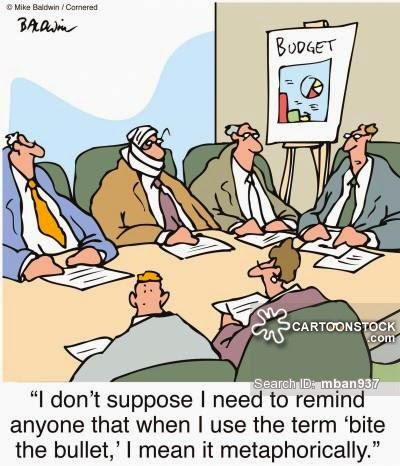
Bite the bullet


A 1796 publication titled A Classical Dictionary of the Vulgar Tongue by Francis Grose was a book of slang terms for the day and in it appeared the phrase bite the bullet. 
Nightingale. A soldier who, as the term is, sings out at the halberts. It is a point of honour in some regiments, among the grenadiers, never to cry out, or become nightingales, whilst under the discipline of the cat of nine tails; to avoid which, they chew a bullet.
But there are other theories, perhaps ones you have heard before, and you can read about them here

These days when we say bite the bullet we are saying that we or someone else needs to fortify self and prepare for the impending difficulty or pain that is coming. 


Comments

Popular posts from this blog

The End of Affirmation 365

I've been thinking about it for over a month. Usually, when I'm in it I'm engaged. But this time? I started it indifferent and I've felt indifferent all along. I should have never started. Hindsight is 20/20 they say and they aren't wrong. So when I opened my eyes this morning it was clear. It's time. Time to quit this 365. This is the first 365 that I haven't posted several of the days, the first 365 that I wasn't super excited about, the first 365 that I've quit. I've changed my social media presence and interactions the past year so this is also the first 365 that hardly anyone has been interested in. Is it the topic or my decision to not be as accessible on social media? Or is it some other reason altogether? Well, regardless...I'm throwing in the towel on this one. I can't say if I'll ever do another 365 again. Time will tell and I will know if and when it's time.

Affirmation Day 273

Don’t quit - replace: The key to changing your habits for good Change Any Habit Painlessly How to Change Unhealthy Habits

Call it a Day

The literal use of this phrase hails from 1838 when the phrase originally was "call it half a day" to mean leaving work early. (source) The modern use of the phrase is to indicate ending something due to false sense of accomplishment.